Idea & Strategy
Struggling With Acne These Are the Best Products That Work
Author:sana
|
Released:May 4, 2026
Acne affects millions worldwide, transcending age groups—from teenagers navigating the tumultuous years of adolescence to adults encountering unexpected outbreaks. This common skin condition can significantly influence self-esteem and mental well-being, frequently leaving individuals feeling isolated and frustrated. Whether you’re dealing with a sporadic blemish or persistent breakouts, it's vital to recognize that you're not alone in this struggle. In this article, "Best Acne Products: A Practical Guide to Clearer Skin and Smarter Skincare Choices," we will delve into the finest products available to help you attain the clear skin you yearn for. Expect a thorough exploration of the various types of acne, their underlying causes, and effective treatment methods. We will also shed light on essential ingredients that can truly make a difference. By the conclusion of this guide, you will be armed with the knowledge necessary to make informed skincare decisions, empowering you on the path to clearer skin.
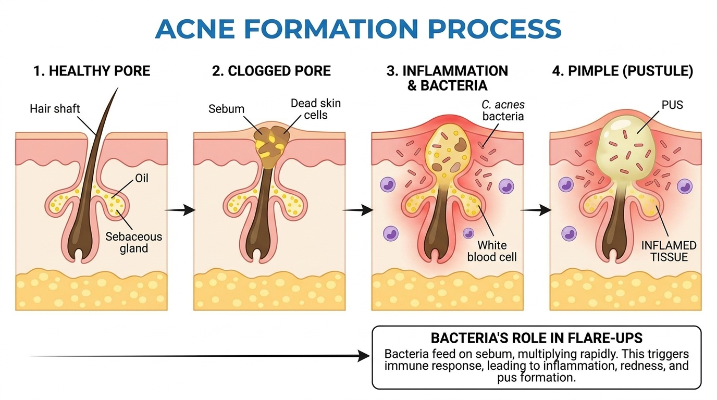
Diverse Acne Concerns Explained
Acne is far from a universal experience; it encompasses a multitude of issues influenced by hormonal fluctuations, inflammation, and lifestyle factors. Individuals may encounter variations such as hormonal acne, often surfacing around menstrual cycles, or inflammatory acne, marked by swollen red bumps. Furthermore, lifestyle elements like stress, diet, and skincare practices can exacerbate these concerns, resulting in a distinct skincare journey for everyone affected.
The concept of the "best" acne products is decidedly subjective, varying significantly across different skin types and specific underlying concerns. While one product might work wonders for a friend, it could trigger reactions in another with differing skin sensitivities. Therefore, personalized skincare recommendations prove essential. For instance, products formulated explicitly for hormonal acne greatly differ from those aimed at treating inflammatory or lifestyle-induced acne.
Embracing a tailored approach ensures consideration of not only the specific type of acne but also the unique characteristics of your skin. Such an understanding reinforces the idea that the quest for the "best" acne solution should prioritize individuality over broad generalizations.
Mechanisms Behind Acne Treatments
Acne treatments harness various mechanisms to address the fundamental causes of this pervasive skin issue. Exfoliation forms a crucial component, enhancing cell turnover while preventing clogged pores. This goal can be achieved through topical treatments containing such ingredients as salicylic acid or glycolic acid, which dissolve dead skin cells and foster smoother skin texture.
Another pivotal facet lies in bacteria management; the bacteria Propionibacterium acnes contribute significantly to acne flare-ups. Topical antibiotics or benzoyl peroxide are exceptionally effective at lowering bacterial levels, which helps decrease inflammation and promote the clearance of breakouts.
Finally, oil regulation is crucial to effective acne treatment. Excessive oil production can lead to pore clogging and subsequent acne formation. Oral medications like isotretinoin function by substantially diminishing activity in oil glands, thereby reducing the likelihood of new acne emergence.
Incorporating these types of treatments within a consistent skincare routine typically yields the most comprehensive results. Whether you are utilizing serums, cleansers, or prescription medications, comprehending precisely how these mechanisms operate can empower individuals to choose the most suitable products for achieving clearer and healthier skin.
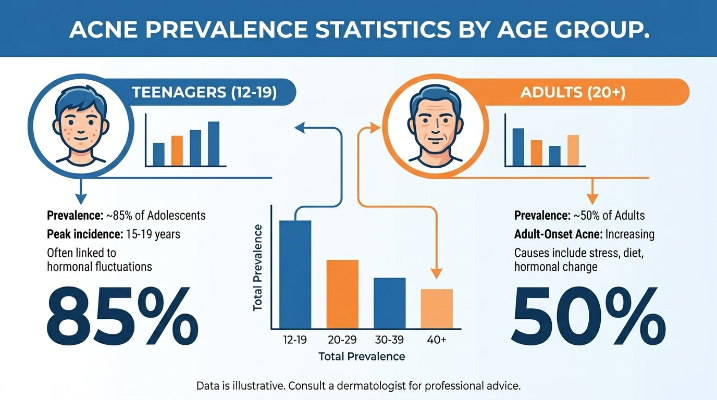
Essential Acne-Fighting Ingredients to Consider
Understanding the active ingredients in acne products profoundly affects skincare decisions, allowing individuals to discover solutions most compatible with their skin types and concerns. Four prominent active ingredients commonly found in acne treatments include Salicylic Acid, Benzoyl Peroxide, Retinoids, and Niacinamide.
Salicylic Acid functions efficiently as a beta-hydroxy acid (BHA), known for its capacity to penetrate deep into pores and effectively exfoliate dead skin cells while managing oil production. This dual action not only assists in preventing clogged pores but also promotes a smoother skin appearance.
Benzoyl Peroxide explicitly targets the acne-causing bacteria, Propionibacterium acnes, and works to diminish acne lesions by delivering oxygen to blocked pores, thereby creating an inhospitable environment for the bacteria and consequently reducing skin inflammation.
Retinoids, derivatives of Vitamin A, spur cell turnover, facilitating the shedding of old skin and encouraging the generation of fresh skin cells. This beneficial process not only revitalizes skin appearance but also inhibits clogged pore development and lessens the visibility of prior acne scars.
Lastly, Niacinamide, a variant of Vitamin B3, is instrumental in reducing skin inflammation and fortifying the skin barrier, essential for moisture retention and limiting the impact of external irritants known to worsen acne.
Understanding these ingredient functions equips readers with the ability to make well-informed choices when selecting acne treatments, allowing them to customize their skincare routines for effectively achieving clearer skin. Such knowledge is critical for anyone navigating the seemingly endless selection of acne-fighting products on the market today.
Product Recommendations Based on Skin Types
Choosing the right acne treatments necessitates meticulous consideration of individual skin types as well as the severity of acne. For oily skin, consider gel-based products that incorporate salicylic acid or benzoyl peroxide, such as Neutrogena Oil-Free Acne Wash. This formulation penetrates pores effectively to combat surplus oil and breakouts. For dry skin, however, a gentler approach is required; seek hydrating ingredients such as hyaluronic acid in products like CeraVe Hydrating Cleanser, which cleanses effectively without stripping the skin of moisture.
Individuals with combination skin would benefit from a balanced formulation like La Roche-Posay Effaclar Purifying Foaming Gel, designed to adequately address both oily and dry areas without exacerbating either issue.
While mild acne may only necessitate over-the-counter products, severe cases could require dermatologist-recommended treatments such as Differin Gel (adapalene), beneficial for all skin types.
Last but not least, for sensitive skin, hypoallergenic options like Avène Cleanance Cleansing Gel or Paula’s Choice Calm Redness Relief Cleanser stand out as excellent choices. Both have received dermatological approval for effectively soothing irritation while simultaneously fighting acne, ensuring the gentle care that sensitive skin requires without compromise.
The Value of Professional Dermatological Guidance
Seeking professional advice from a dermatologist is an indispensable step on the journey toward clearer skin. During your first consultation, expect a comprehensive evaluation that includes an assessment of the type of acne you have, your skin type, and your medical history. This personalized analysis enables dermatologists to recommend optimal treatments tailored specifically to meet your unique skin needs.
Dermatologists may conduct thorough skin examinations and suggest necessary tests to pinpoint underlying issues that may be contributing to your acne problem. Following this thorough evaluation, they will present a detailed treatment plan, which might encompass topical medications, oral antibiotics, or lifestyle adjustments. Furthermore, they can guide you toward appropriately structured skincare routines and recommend products that help avoid common setbacks. Remember, availing of professional guidance not only facilitates effective treatment but also aids in staving off future breakouts. This makes dermatologists invaluable allies in achieving healthier skin.
Common Pitfalls in Acne Treatment
The acne treatment journey can often feel overwhelming, accompanied by challenges that many encounter. A prominent error is over-treatment; utilizing an excessive number of products or active ingredients can lead to skin irritation, intensifying the problem rather than alleviating it. Equally crucial is the neglect of the skin barrier, which serves as a defense against external stressors. A compromised barrier can result in heightened sensitivity and breakouts.
Another frequent mistake involves misidentifying skin types, resulting in the use of unsuitable products that may aggravate acne. Understanding one's unique skin characteristics is critical for selecting appropriate treatments. Lastly, harboring unrealistic expectations can lead to disillusionment; achieving clear skin is often a gradual process, and anticipating instantaneous results may result in frustration. By recognizing these common mistakes, individuals can adjust their perspectives and approaches to acne treatment, cultivating patience and ultimately fostering better outcomes along their skincare journey.
Constructing an Effective Acne Skincare Routine
Cleansing
Begin with a gentle cleanser tailored to your skin type. Gel-based cleansers containing salicylic acid are suitable for oily skin, whereas cream-based cleansers serve oily skin most effectively. Cleansing twice daily remains essential, facilitating the removal of excess oil and impurities without compromising the skin's natural moisture balance.
Treatment Products
Following cleansing, apply targeted treatment products such as benzoyl peroxide or salicylic acid. Use a pea-sized amount, applying it specifically to areas of concern to avoid excessive drying. A common error is applying several active ingredients concurrently, which can irritate the skin—limit yourself to one or two effective treatments to minimize irritation.
Moisturizing and SPF
Even those with greasy skin must include a moisturizer in their routine. Opt for non-comedogenic formulas that provide hydration without clogging pores. In the mornings, applying a broad-spectrum SPF of at least 30 is vital, as some treatment products can increase sun sensitivity.
Sample Routine
Morning: Cleanser -> Treatment -> Moisturizer -> SPF
Evening: Cleanser -> Treatment -> Moisturizer
Adhering to this structured routine can facilitate clearer skin while ensuring a balance between treatment and hydration, which is key to effective acne management.
Your Journey Towards Clearer Skin
Recognizing and understanding your individual skin concerns is paramount in selecting the best acne products that align with your specific situation. As you navigate through this skincare journey, maintain a calm and patient approach. Keep in mind that discovering the right solution may take time, and what proves effective for one individual might not suit another. Empower yourself with knowledge, making informed choices that cater to your skin’s specific needs. With commitment and care, you can take charge of your skincare routine, leading to clearer skin and bolstered confidence. Trust the process; remember that your pursuit of healthy skin is a meaningful journey.
You May Like


Idea & Strategy
Tried, Tested, and Gift-Worthy: The Best Men’s Pajamas, Robes, and Slippers

Idea & Strategy
Most Popular Personalized Gifts for Mom That Are Worth It

Budget & Urgency
Last-Minute Gift Crisis? Same-Day Delivery Options That Save You Now

Idea & Strategy
Stop Guessing! The Perfect Personalized Gift They Want Is Right Here

Recipient & Occasion